Powered By Blogger

Wednesday, February 13, 2013

BIRD WATCHING EXCLUSIVE – want to join Luke Massey on a trip to Estonia?

Join Estonian Nature Tours, Speyside Wildlife and Bird Watching magazine on an eight-day fully-inclusive holiday amid unique, untouched nature with winding rivers, vast floodplains, mires, bogs and primeval forests.


ESTONIA – A Northern Adventure. Luke Massey is wowed by bears, eagles and migration spectacles in one of eastern Europe ´s best birding locations.


Bird Watching magazine is the UK's best-selling bird magazine, with 17,000 readers per issue and a large online following at www.birdwatching.co.uk

Luke starts speaking in the 16th minute (about Estonia in the 30th minute). Tartu eagle hide video is also shown in the broadcast.


Friday, February 1, 2013

Animal of the year 2013 – the Wolf


Estonian Society of Teriology, Looduskalender (Nature Calendar), Looduse omnibuss (Nature Omnibus), Estonian Society for Nature Conservation, Estonian Fund for Nature, Estonian Society of Foresters, the Tallinn Zoo, Estonian Museum of Natural History and the Magazine „Loodusesõber“ (Naturelover) have selected for the very first time an animal of the year and in 2013 this animal will be one of the most colourful characters in our nature - feared and respected lord of the woods - the Wolf.

Wolf (Canis lupus) / Valeri Štšerbatõh

There are over 60 mammal species in Estonia beside Man and our plentiful animal kingdom is demanding more attention. This initiative has the goal to introduce our mammals, getting started with the Wolf, a species that causes controversal feelings in most people. Being cautious and rarely seen this species simply cries out for introduction throughout the year, as the organizers have put it. The Wolf is  literally cut out for the purpose – its role in nature is unequivocal. The Wolf is considered to be a medical orderly of the woods, as it is hunting sick or defective prey and is cutting down the number of rodents and bovids. Wolf expert Ilmar Rootsi says that our ancesters considered our animal of the year – the „Fridolf“ or „Ethelwulf“ – as the most important beast in the woods.

Wolf (Canis lupus) / Toomas Tuul

According to the latest census there are about 31 wolf packs in our forests and the overall number has been constantly around 200 animals. Beginning with 2011, when wolves moved also to Hiiumaa and Saaremaa islands, they can be met in each and every county of Estonia.

Wolf track / Greg Funnell 

The Wolf leads a primarily nocturnal way of life, its activity pattern may vary depending on  the season and the habitat. As for biotopes the Wolf avoids dense forests, but prefers open landscapes instead, where it has much better conditions for hunting. In Estonia the Wolf is found mostly in the bush and raised bogs. In different periods of its life cycle the wolf may live in pairs or in packs.

Wolf (Canis lupus) / Sven Zacek


Thursday, January 31, 2013

Aasta loom 2013 on hunt

Eesti Terioloogia Selts, Looduskalender, Looduse Omnibuss, Eesti Looduskaitse Selts, Eestimaa Looduse Fond, Eesti Metsaselts, Tallinna Loomaaed, Eesti Loodusmuuseum ja ajakiri Loodusesõber on esimest korda valinud aasta looma ning aastal 2013 on selleks meie looduse värvikamaid kujusid – kardetud ja austatud metsavalitseja hunt. 

 Hunt (Canis lupus) / Valeri Štšerbatõh

Eestimaal elab lisaks inimesele üle kuuekümne imetajaliigi ning meie rikkalik loomariik vajab suuremat tähelepanu. Nüüdse algatuse eesmärgiks ongi tutvustada loomariiki, alustades hundiga, kes tekitab paljudes inimestes vastuolulisi tundeid. Ettevaatlik, harva kohatav lausa vajab algatuse organiseerijate sõnul lähemat kajastamist läbi aasta. Hunt on selleks justkui loodud – tema roll looduses on üheselt mõtestatav. Hunti kutsutakse metsa sanitariks, sest ta kütib haigeid või vigaseid loomi ning piirab näriliste ja sõraliste arvukust. Hundiuurija Ilmar Rootsi pajatab, et aasta looma – kriimsilma on meie esivanemad pidanud tähtsaimaks loomaks metsas. 

 Hunt (Canis lupus) / Toomas Tuul

Viimaste loendusandmete järgi elab meie metsades kokku 31 hundipesakonda ja nende arvukus on viimastel aastatel püsinud stabiilselt 200 looma ringis. Alates 2011. aastast, kui hundid asusid elama ka Hiiu- ja Saaremaale, leidub neid kõigis Eesti maakondades. 

 Hundi käpajälg / Greg Funnell

Hunt on peamiselt ööloom, tema tegutsemisrütm võib varieeruda sõltuvalt elupaigast ja aastaajast. Elupaigana väldib hunt lausmetsa ja eelistab avamaastikku, kuna sealsed küttimistingimused on paremad. Eesti aladel võib hunti rohkem kohata võsastikes ja rabades. Hundid elavad eri eluperioodidel kas karjas või paaridena.

Hunt (Canis lupus) / Sven Zacek


British newspaper suggests Estonia as excellent wildlife holiday destination

In the beginning of January, one of the most influential daily papers in Great Britain, The Guardian, suggested birding and mammal watching holidays with Estonian Nature Tours as one of the best holiday options for 2013.  In the article  “20 of the best bargain holidays in Europe for 2013” journalists throw out 20 bargain alternatives for those who get bored hanging around at the beach on their vacation. The quality newspaper describes Estonia as a country with some of the best preserved wildlife and nature of Europe. 

The Guardian is the 3rd most popular newspaper in Great Britain (average daily circulation of 210 000, followers in FB 465 000) while the online version is the 2nd most popular. 

The Guardian about Estonia:

Birds and beasts, Estonia
One of Europe's great unsung hotspots for wildlife, the Estonian countryside boasts Pygmy Owl, Black Stork and the wonderful Steller's Eider. If birdwatching is not your thing, mix and match some Brown Bear or Raccoon Dog tracking, an Elk and Wild Boar safari, a Beaver boat trip and, brilliantly, an expedition to watch Flying Squirrels. 
• Three-day birdwatching tours from €395, including two nights' DB&B, guide and transport; one- and two-day animal watching trips from €55 with Estonian Nature Tours (+372 477 8214, naturetours.ee). EasyJet and Ryanair fly to Tallinn from various UK airports


Click to see our Newsletter Winter 2013...

Client comment:

„The organisation was smooth and flawless, the accommodation as comfortable as could be wished, and the Estonian cuisine, both picnic-style and in dining-halls, was delightful. Most important of all, of course, were the birds...  Much of this was due to the excellent knowledge and skills of the tour leader, Mati Kose. His expertise and ornithological knowledge was quite breath-taking at times, and his command of English was so great... Another aspect of Mati's leadership was his extensive knowledge of Estonian history and life, which he enthusiastically communicated wherever appropriate. I especially enjoyed the evening meal that was taken at an 18th century German manor-house, and the interesting talk given by the owner... It would be really pleasing to have these positive comments go on the record.
The overall result is that I am now quite a fan of Estonia generally, and shall certainly by trying to go back, perhaps as soon as next year.“
J-M. C-E / UK, May 2012, Naturetrek


Tuesday, January 29, 2013

Estonia is selected one of the 30 world's most dramatic locations for bird migration


Book 'Migration Hotspots' by British author, Tim Harris, takes a look at 30 of the world's most dramatic locations for bird migration. 

To Estonian readers by Tim Harris:
Estonia has been chosen to appear among the elite of migration locations for its amazing spring and autumn passage of birds, involving millions of wildfowl and waders flying along the coast between the Baltic Sea and breeding grounds on the Arctic tundra. 

Penijõe tower / Kaarel Kaisel

And also for the almost unbelievable scale of the songbird movement through the country each autumn. Of course the wetlands around the Estonian coast are also among the final spring destinations for many ducks, herons and warblers. 

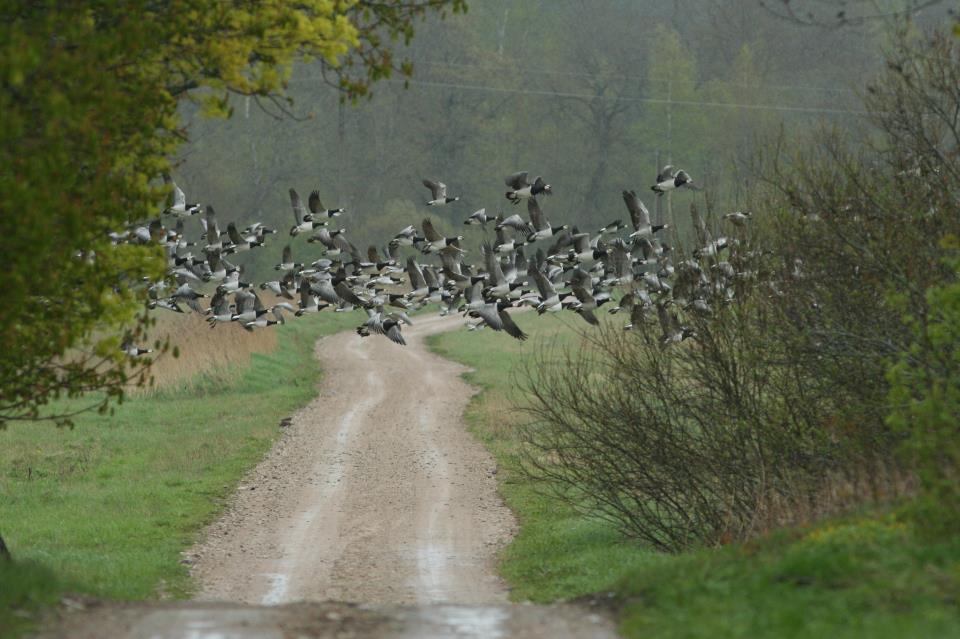
Barnacle Geese (Branta leucopsis) / Kaarel Kaisel

Common Granes (Grus grus) / Ivar Ojaste


And that same coast is superb in winter for its congregations of wildfowl, including the Steller's Eider, now considered a Vulnerable species by BirdLife International. Estonia is a crucial country for birds and should be on every birder's itinerary.

Steller's Eider (Polysticta stelleri) / Jari Peltomäki


These range from raptor 'bottlenecks'  such as Veracruz in Mexico and the Strait of Messina in Italy to places like Beidaihe in China and Point Pelee in Canada, where spectacular arrivals of songbirds take place. Find out more in 'Migration Hotspots'.

Pine Grosbeak (Pinicola enucleator) / Jari Peltomäki


Hawk Owl (Surnia ulula) / Remo Savisaar

The book covers each of the world's major avian flyways and features stunning photography throughout. The geographical reasons for the importance of each hotspot are explained, with a summary of the different birds that pass through and the best times of the year to see them. An introductory chapter that summarises birds' migration strategies is also added. n Estonia the special attention is focused to Matsalu National Park, but brief overview is also given about other important key areas, such as Sõrve, Kabli, Põõsaspea and Mehikoorma. Estonian texts are compiled with the assistance of Tarvo Valker and Marika Mann, illustrative photographs were purchased by Estonian Nature Tours.

The book will be published in August and will first be available at the British Birdfair 2013 at Rutland Water. It will be available from bookshops and online from Bloomsbury. 


Eesti on valitud 30 maailma kõige parema linnurände piirkonna hulka


Briti autori Tim Harrise raamat “Migration Hotspots” (“Rände tulipunktid”) võtab vaatluse alla 30 maailma kõige olulisemat linnurände piirkonda. 

Tim Harris Eesti lugejale:
Eesti on valitud rändepaikade paremiku hulka tänu erakordsele kevadisele ja sügisesele lindude läbirändele, kui miljonid veelinnud ja kahlajad liiguvad piki Läänemere rannikut pesitsusaladele arktilises tundras ja tagasi. 

 Penijõe vaatetorn / Kaarel Kaisel

Teine põhjus on peaaegu uskumatult massiline värvuliste sügisränne läbi terve Eesti. Loomulikult on ka ranniku piirkonnas asuvad märgalad kevadeti suure hulga partide, haigrute ja värvuliste sihtkohaks.

Valgepõsk-lagled (Branta leucopsis) / Kaarel Kaisel


Sookured (Grus grus) / Ivar Ojaste

Rannikumeri on põnev ka talvel, kui sinna kogunevad talvituvad veelinnud, nende hulgas ka linnukaitse organisatsiooni Birdlife International poolt ohualtiks liigiks kuulutatud kirjuhahk. Seega: Eesti on lindude osas ülioluline maa ja peaks olema iga linnuhuvilise reisikavas. 

Kirjuhahk (Polysticta stelleri) / Jari Peltomäki


Samasse kategooriasse kuuluvad veel röövlindude “pudelikaelad” Veracruz Mehhikos ja Messina väin Itaalias, aga ka niisugused linnualad nagu Beidaihe Hiinas ja Point Pelee Kanadas, kus leiavad aset erakordsed laululindude saabumised. Otsige lisa raamatust “Migration Hotspots”.

Männileevike (Pinicola enucleator) / Jari Peltomäki


Vöötkakk (Surnia ulula) / Remo Savisaar

Raamat käsitleb kõiki maailma olulisemaid lindude rändeteid ning on illustreeritud hingematvate fotodega. Käsitletud on kõigi rände pudelikaelte olulisuse geograafilisi põhjuseid koos kokkuvõttega erinevatest läbirändavatest lindudest ja parimatest vaatlusaegadest. Sissejuhatav peatükk võtab kokku ka erinevad lindude rändestrateegiad. Eestist saab peatähelepanu osaliseks Matsalu rahvuspark, kuid lühike ülevaade antakse ka teistest Eesti parimatest rändevaatluskohtadest, nagu Sõrve, Kabli, Põõsaspea ja Mehikoorma. Eesti tekste aitasid koostada Tarvo Valker ja Marika Mann, tekste illustreerivad fotod ostis Estonian Nature Tours.

Raamat näeb trükivalgust augustis ja tuleb esmakordselt müügile British Birdfair 2013 linnumessil. Raamat tuleb müügile ka raamatupoodidesse ning Bloomsbury kaudu saab seda osta onlinest. 


Wednesday, January 23, 2013

Estonian Nature Tours makes its entry to Italian market

EBN Italia – one of the leading birders’ associations in Italy – advertizes right on the homepage of their site Estonian Nature Tours’s birding tour to Estonia.

EBN Italia has started right now a new section dedicated to bird trips abroad. Trips for birders who want to travel across Europe to see target species and to enjoy new landscapes. The idea is targeted to the members of the birders’ organization, while the decisive points of the travel agents’ choice are high standards of  competence and the best  Quality/Cost Ratio. The very first choice of destination was Estonia. The tour will take place in early June and the guide will be Tarvo Valker.  The interest towards the tour is generally high.

 
Red-breasted Flycatcher (Ficedula parva) / Valeri Štšerbatõh
 

EBN Italia about Estonia:
Estonia is the European country with one of the lowest people density in a still intact territory, featured by European taiga. Target species of pur trip are   Blyth's River Warbler, Great Snipe, Ural Owl. River Warbler, Citrine Wagtail, Red-breasted Flycatcher,  Greenish Warbler, White-backed Woodpecker, Scarlet Rosefinch, Thrush Nightingale, Hazel Grouse, Capercaille.

 
Ural Owl (Strix uralensis) / Chris van Rijswijk


The latest copy of 'Quaderni di Birdwatching' – the best known edition dedicated to the topic of birdwatching in Italy – published an article about Estonian birds and mammals (text: Tarvo Valker, Marika Mann). 'Quaderni di Birdwatching' is a magazine of EBN Italia. EBN Italia is a leader association for birding in Italy. You can view the article here...